
A Better Interview Starts with Better Preparation
A simple guide to help you prepare thoughtfully, communicate with confidence and make the most of every interview conversation.
An interview is more than a series of questions and answers. It is an opportunity to bring your experience to life, understand the role better and discover whether the opportunity feels right for you. Whether your next conversation is over the phone, on video or in person, a little thoughtful preparation can help you feel more confident, communicate more clearly and make a stronger impression.
Before Any Interview
Start prepared, so you can focus on the conversation.
Know the company: Go beyond simply knowing the company name. Visit their website to understand what they do, their products or services, customers, values and leadership. Explore their LinkedIn page and recent posts to see what they are talking about, celebrating or investing in, and look up any recent news, launches, expansions or developments. If you know who you’ll be meeting, a quick look at their professional background can also help you understand their role and perspective.
The goal isn’t to memorise facts. It’s to walk into the conversation with a genuine understanding of the organisation and why the opportunity interests you.
- Revisit the role: Read the job description again and identify the areas where your experience aligns particularly well.
- Know your story: Be comfortable talking about your career journey, key achievements, important transitions and why this opportunity interests you.
- Prepare a few strong examples: Think of 2 or 3 situations that demonstrate your skills and achievements. Real examples are more powerful than simply describing yourself as a good leader, problem-solver or team player.
- Give your answers some structure: For behavioural questions, a simple framework can help: Situation → What you needed to achieve → What you did → The result.
The objective isn’t to memorise answers. Prepare enough to know what you want to say, while leaving room for a natural conversation.

Telephonic Interviews
When they can’t see you, your voice has to do more of the work.
- Find somewhere quiet: Choose a place where you can speak comfortably without interruptions. Avoid taking an important interview while driving, walking or in a noisy environment.
- Keep the essentials handy: Have your résumé, the job description and a few useful notes in front of you, but resist the temptation to read from them.
- Listen before you respond: Without visual cues, it’s easier to accidentally interrupt. Allow the interviewer to finish and take a moment to gather your thoughts when needed.
- Let your energy come through: Sit upright, speak clearly and maintain a warm, engaged tone. Even smiling naturally while speaking can influence how you sound.
- Keep your answers focused: Answer the question, support your point with an example where relevant, and allow the conversation to move forward.
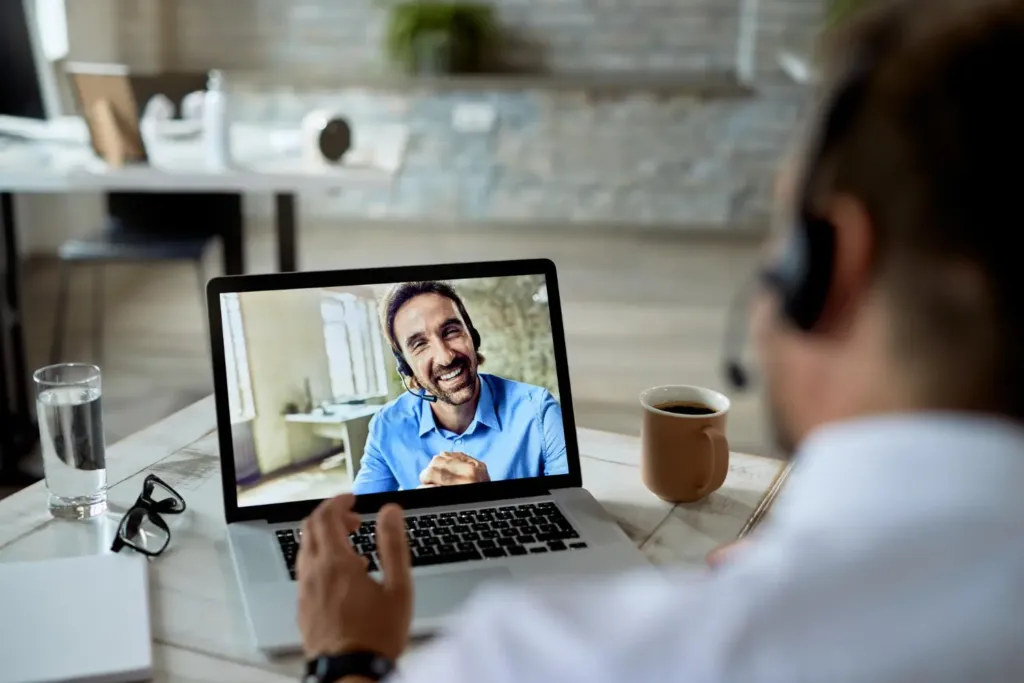
Video Interviews
Professional on screen. Natural in conversation.
- Test before you join: Check your internet connection, camera, microphone and meeting link beforehand. A quick test can prevent unnecessary last-minute stress.
- Choose your setting carefully: Find a quiet, well-lit space with a simple background and position your camera roughly at eye level.
- Create natural eye contact: Look towards the camera occasionally, particularly when making an important point, while still engaging naturally with the interviewer on screen.
- Remove distractions: Silence notifications, close unnecessary applications and keep your phone away.
- Don’t let the screen change the conversation: Smile, listen, react and engage naturally. The technology is simply the medium. The conversation is still between people.

In-Person Interviews
The interview begins before the first question.
- Plan your arrival: Account for traffic, parking, security and reception formalities so you can arrive a little early and without feeling rushed.
- Dress for the environment: If you’re unsure about the dress code, being slightly more polished than the everyday workplace is generally a safe choice.
- Be present: Put your phone away and engage professionally with everyone you meet.
- Make it a conversation: Listen carefully, answer thoughtfully and respond naturally to what the interviewer shares rather than treating every question as something that needs a rehearsed answer.
- Show genuine interest: If the opportunity excites you, say so. Genuine enthusiasm is usually easy to recognise.
What Matters in Every Interview
Help the interviewer understand not just what you’ve done, but the difference you’ve made.
Be concise, but don’t undersell yourself:
Answer the question being asked while providing enough context to make your contribution clear.
Talk about impact:
Responsibilities explain what your job involved. Results demonstrate what you accomplished.
Instead of:
“I was responsible for managing a team of eight.”
Try:
“I led a team of eight and introduced a new process that reduced turnaround time by 25%.”
Use numbers when they add context:
Team size, revenue, savings, growth, timelines, scale and measurable improvements can make your achievements much more tangible.
Be comfortable saying you don’t know:
You aren’t expected to have encountered every possible situation. Be honest and explain how you would approach learning about it or solving the problem.
Keep past experiences professional:
If you’re leaving a difficult situation, explain your reasons objectively and focus the conversation on what you’re hoping to find in your next opportunity.
Ask thoughtful questions:
The questions you ask can tell an interviewer a great deal about how you think, and they also help you decide whether the opportunity is right for you.
A few questions worth asking:
“What would success in this role look like six months from now?”
“What are the biggest priorities for the person joining this role?”
“What are some of the challenges the person in this position is likely to encounter?”
One Last Thought…
Don’t put pressure on yourself to give the perfect interview. Aim for one that is prepared, authentic and thoughtful.
- Listen carefully.
- Use real examples.
- Talk about your impact.
- Ask the questions that matter to you.
- Allow the interviewer to meet the person behind the resume.
An interview isn’t simply about being chosen. It’s a conversation to discover whether the opportunity and you are right for each other.